#postoccupancy
P3 Partnerships in Action: How Business Schools Are Shaping the Future of Campus Development
In 2025, LMN celebrated the opening of iconic new homes for the Gies College of Business at the University of Illinois Urbana-Champaign and the College of Business at the University of Nevada-Reno: Steven S. Wymer Hall and the John Tulloch Business Building. The two projects are more than just academic facilities; they are bold statements about the future of business education, sustainable development, and the alignment between entrepreneurial ethos and the Public Private Partnership (P3) delivery model in realizing core academic goals for major land-grant institutions.
Both projects were delivered through P3s, enabling their institutions to bring ambitious new buildings to life more quickly while transferring additional risks to their development partners and leveraging the agility, speed, and insights of private-sector expertise. Through this innovative approach, both universities achieved outcomes that exceeded expectations maintaining the quality, longevity, and integrity expected of campus environments while upholding the commitment to opening on schedule and on budget.
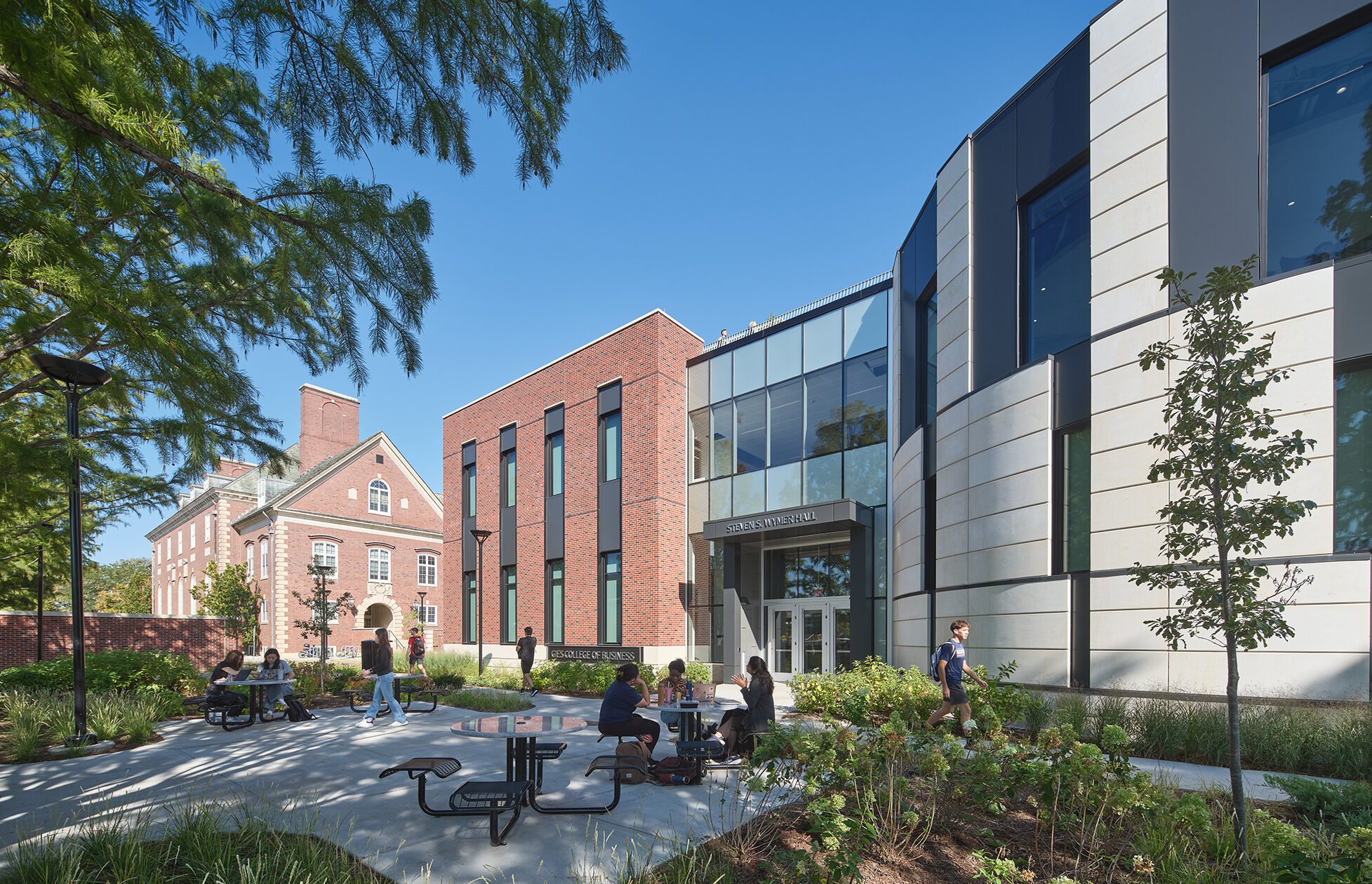
Steven S. Wymer Hall, Gies College of Business, University of Illinois Urbana-Champaign
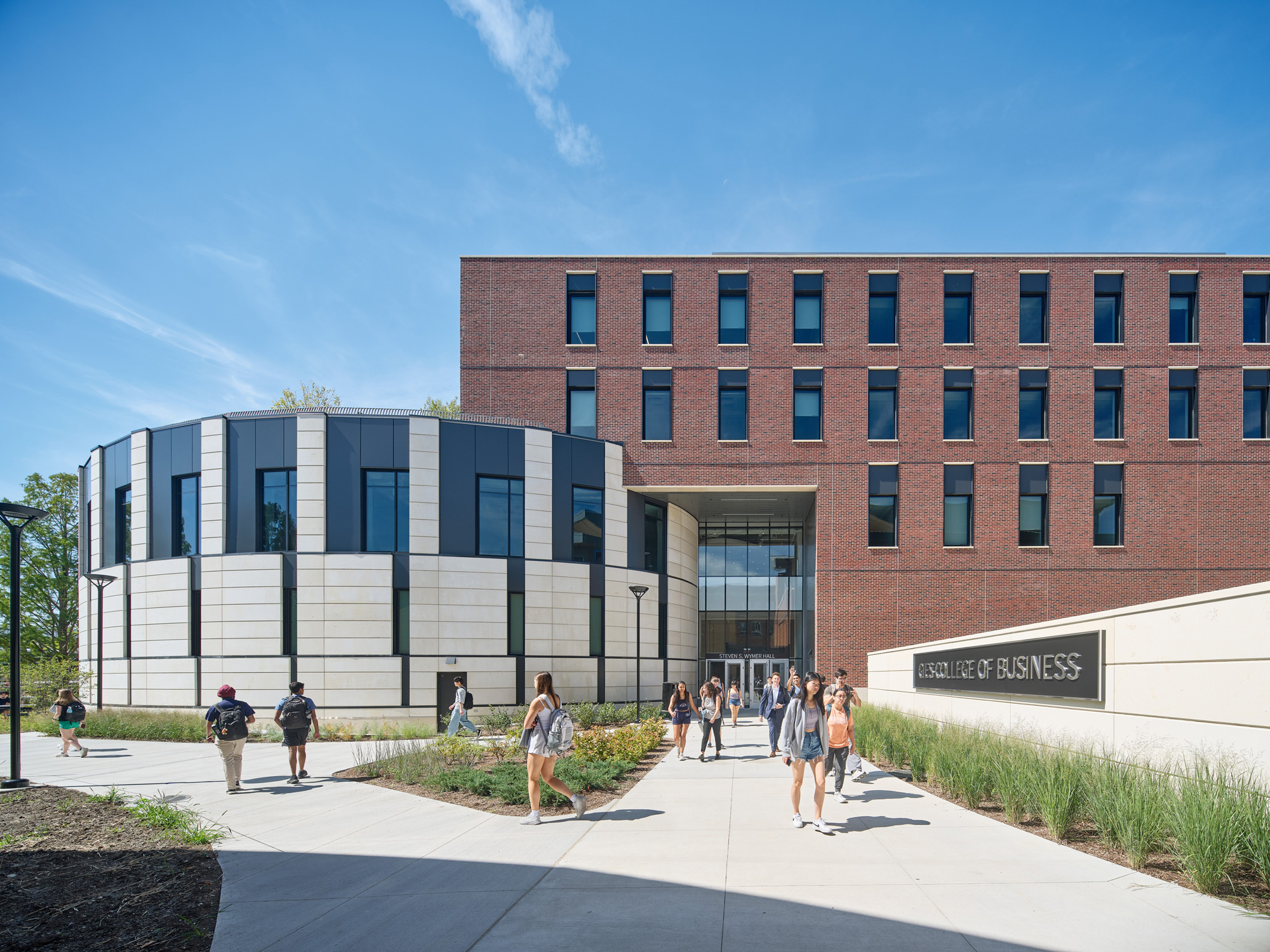
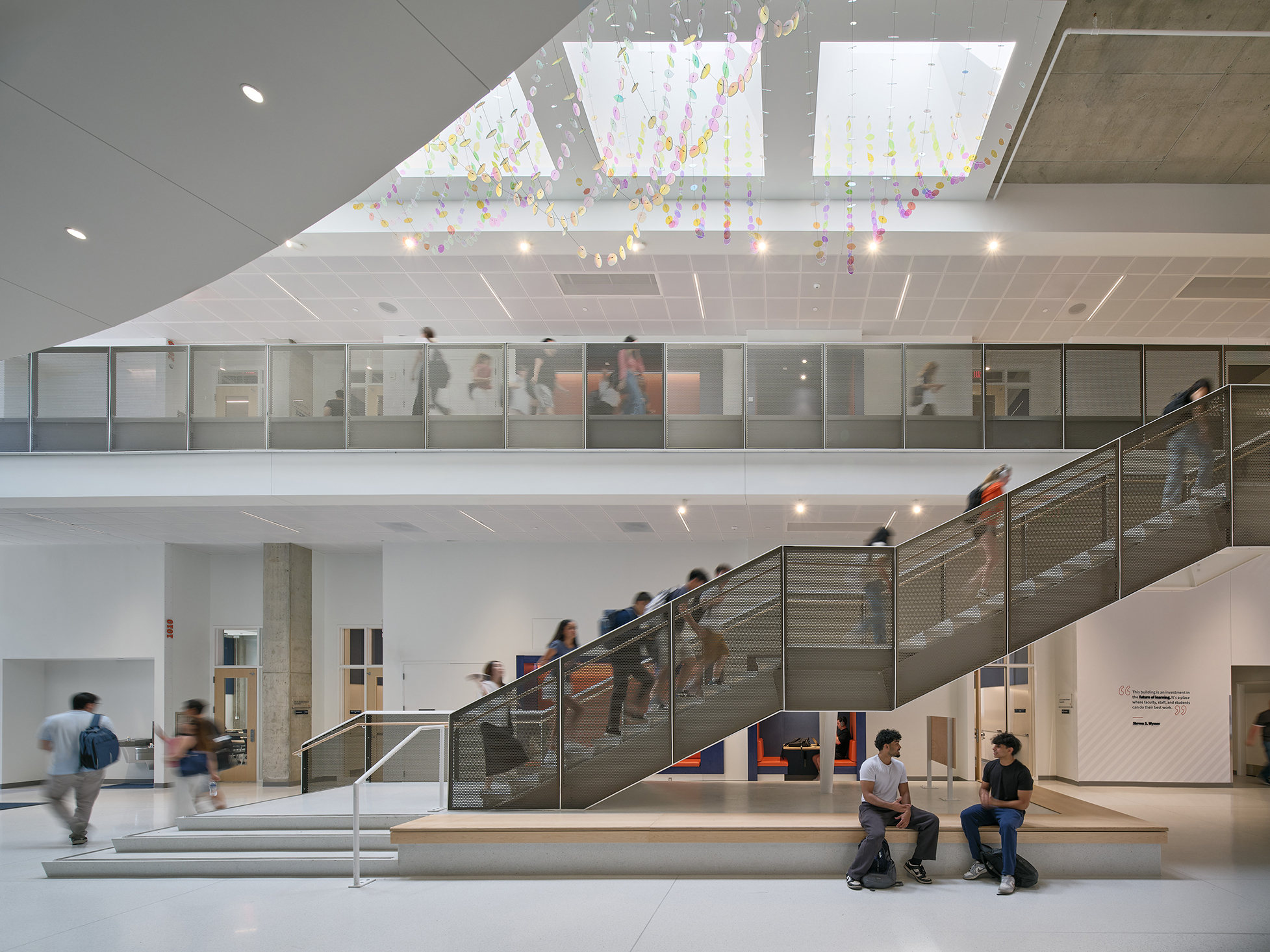
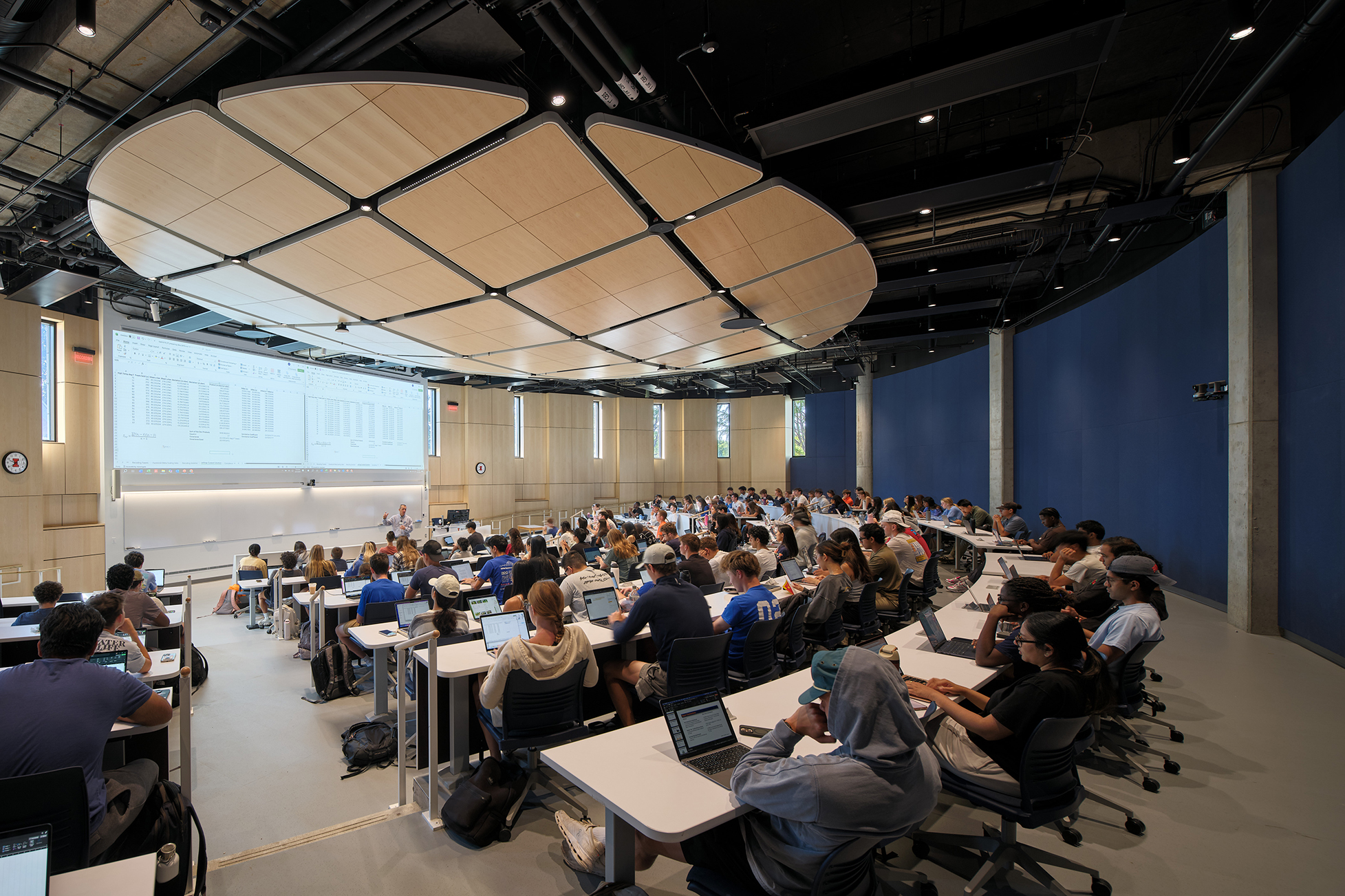
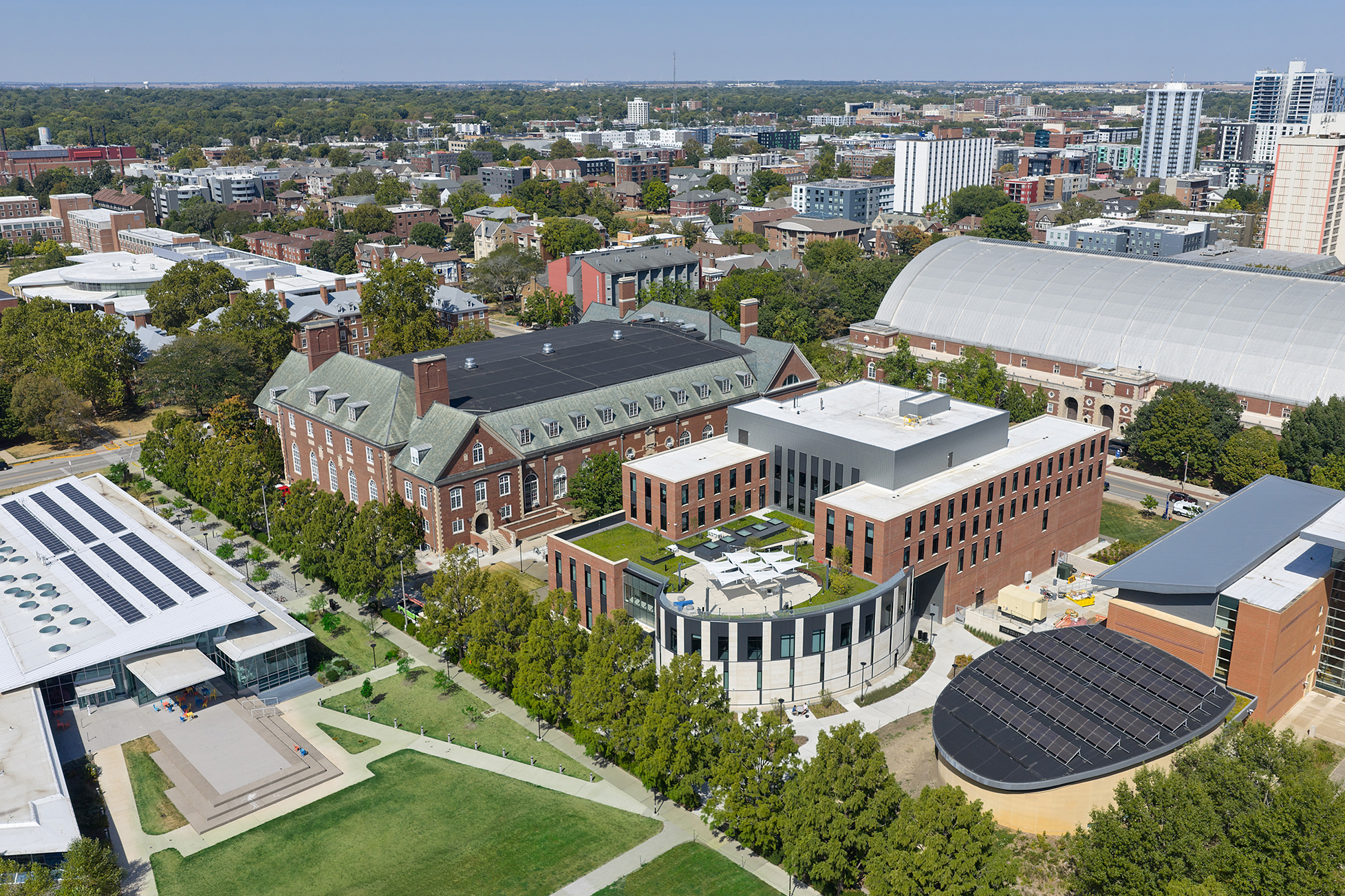
Steven S. Wymer Hall, developed by Vermilion Campbell, sets a new benchmark for sustainable academic architecture while extending and complementing the existing Gies College of Business facilities. At 97,000 square feet, the building includes two 80-seat classrooms, four 60-seat classrooms, a 200-seat auditorium, and nearly 90 offices for faculty and staff, greatly expanding Gies’s ability to serve its learner populations. Together with the Business Instructional Facility, which is organized around a singular, central community space, Wymer introduces a constellation of smaller, varied collaboration spaces – including 12 new team rooms sized to peer business school standards – that further develop a sense of campus identity along the Military Axis. The building also expands the range of learning environments: all classrooms are designed to support hybrid and remote instruction, while new soundstages and studios significantly amplify the college’s ability to deliver online programs and extend access. A new community terrace connects students, faculty, and staff with the outdoors, creating a vital space for recharge and gathering. Designed to achieve Net Zero Energy and LEED Platinum certification, the building features an all-electric infrastructure, geothermal heating and cooling, and off-site solar integration—reflecting a deep commitment to environmental stewardship. The P3 model was instrumental in unlocking funding streams that made this level of performance possible, delivering a building that is not only future-ready but also a symbol of institutional leadership in climate-conscious design.
Floor Area: 97,000 SF | Classrooms: 80-seat (2) and 60-seat (4) | Auditorium: 200-seat | Offices: 90 | Team Rooms: 12 | Net Zero Energy
John Tulloch Business Building, University of Nevada-Reno
The John Tulloch Business Building, developed by Edgemoor Infrastructure & Real Estate, anchors a transformative new mixed-use district on the university’s southern edge, serving as both a gateway to campus and a bridge to downtown Reno and the surrounding community. The 127,000-square-foot, five-story facility provides the College of Business with an entirely new home. The first three floors are student focused; including a 300-seat auditorium, four case-study classrooms, six multi-use classrooms, two computer labs, a finance suite with trading lab, and fourteen student-focused collaboration spaces. The top two floors accommodate a variety of administrative and faculty offices interspersed with a mix of conference rooms, a PHD research lab, and outdoor roof terraces. The building’s design reflects its transitional condition urban block location: using traditional brick masonry honors the historic campus heritage directly adjacent to the north, while contemporary metal and glass elements gesture toward the urban context beyond to the south. A central courtyard and porous ground-level plan invite movement and connection, drawing people in from multiple directions and framing vibrant public spaces that set the stage for a dynamic new district. The building program also incorporates a mix of student and community outreach programs such as the Ozmen Center for Entrepreneurship, supporting innovation and industry engagement. Through thoughtful site organization and architectural expression, the building establishes a meaningful new place on an expanding campus, one that fosters engagement, learning, and community. Targeting LEED Gold, the John Tulloch Business Building exceeded University standards while raising the university’s commitment to sustainability and civic integration.
Site Area: 127,000 SF | Auditorium: 300-seat | Spaces: Finance Suite & Trading Lab, Student Commons, and Ozmen Center for Entrepreneurship | Sustainability: LEED Gold

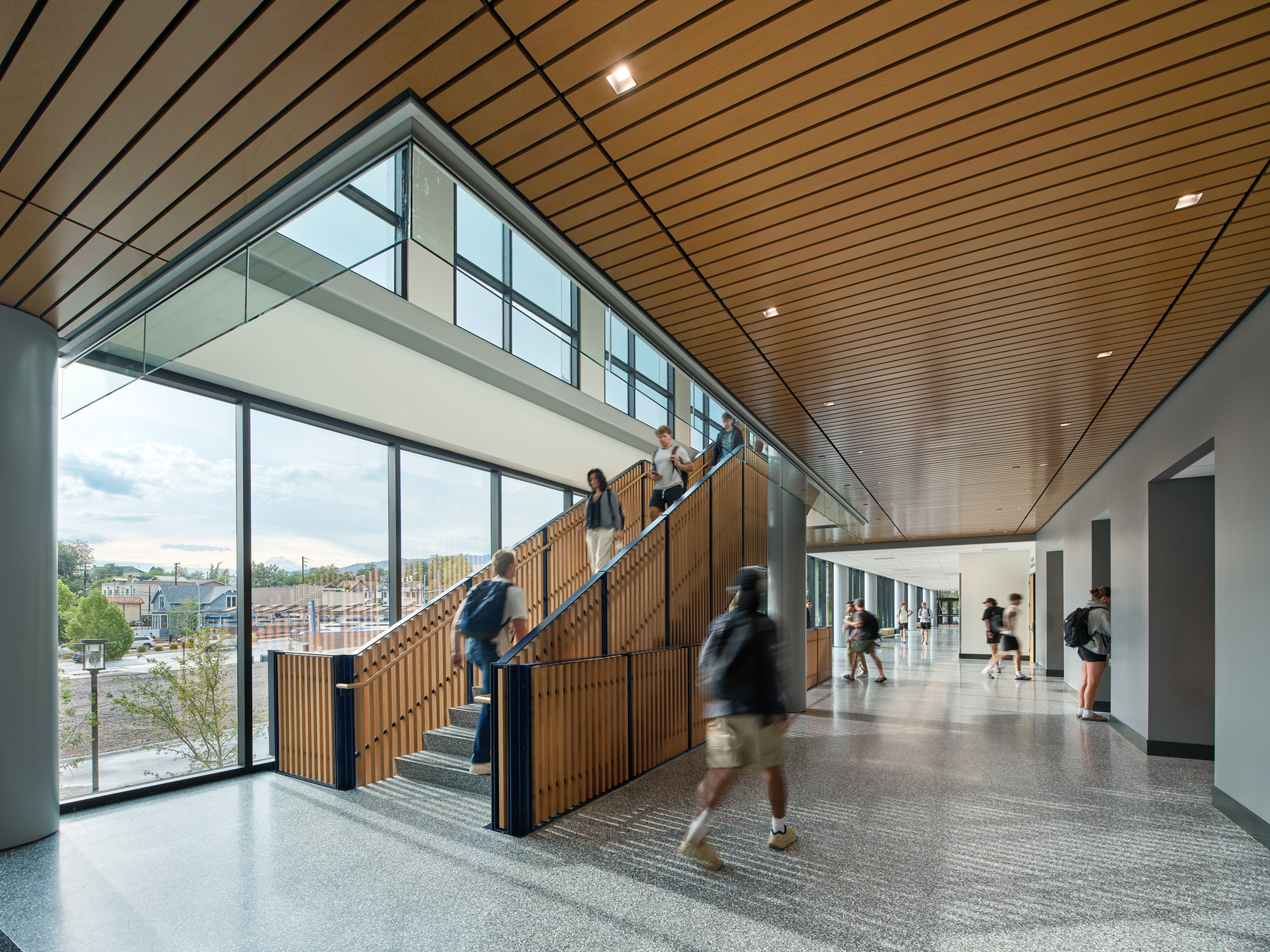
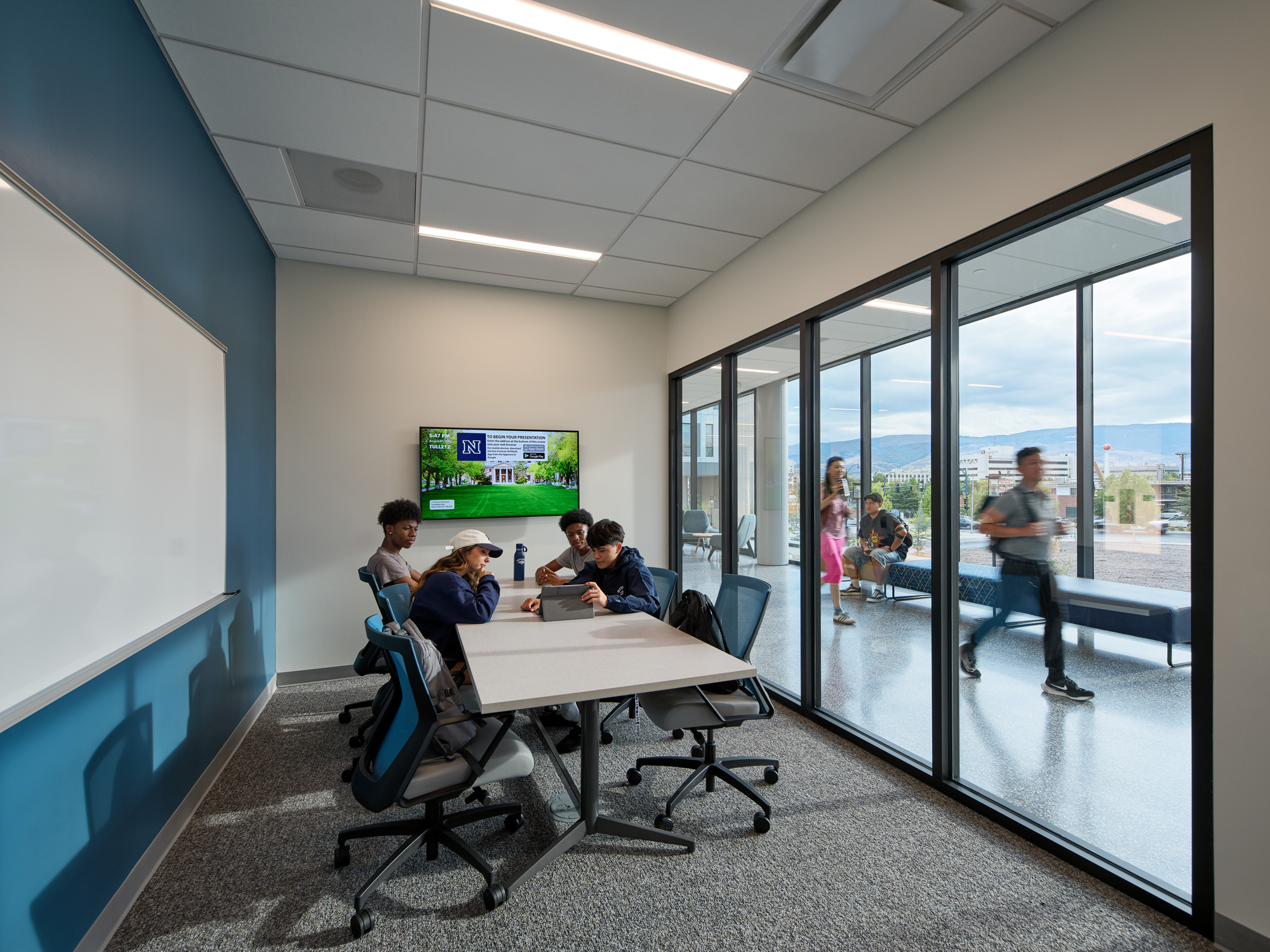
Notably, both projects are part of larger development bundles. At UIUC, the P3 also delivered a new parking structure, offsetting displaced parking and enhancing the central campus environment. At UNR, the business building was conceived alongside a hotel and business event center, creating a mixed-use environment that supports economic vitality and public engagement. These bundled solutions demonstrate how P3s can catalyze holistic campus transformation, aligning academic, civic, and operational goals.
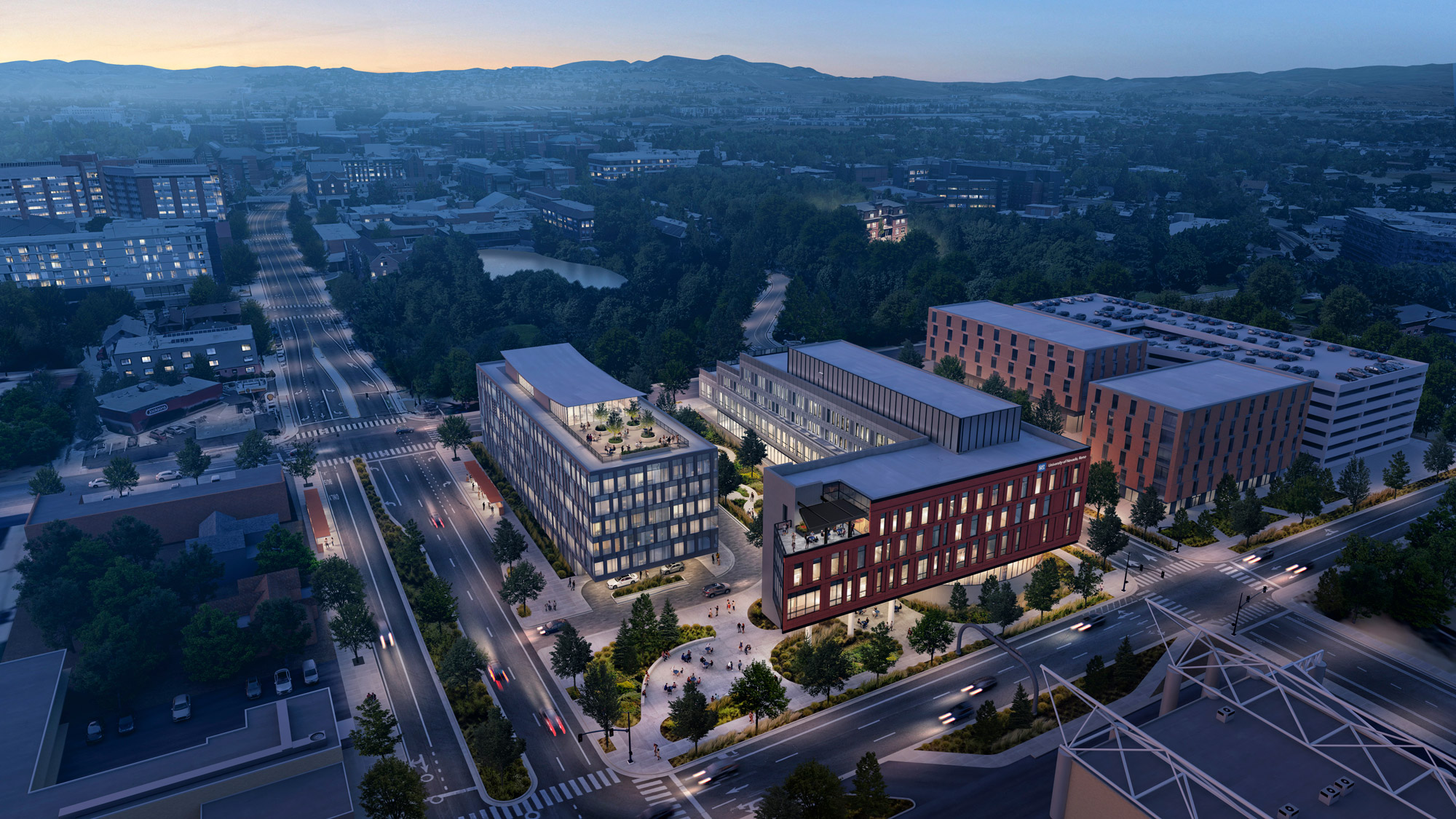
The successful execution of these project required LMN to leverage our expertise with a range of alternative delivery models. While both were structured as P3s, UNR’s process incorporated features of design-build, enabling a fast-track design and construction schedule that eliminated months from a traditional design-bid-build delivery. At UIUC, the Wymer Hall P3 framework supported a streamlined process, with major approvals completed in weeks rather than months, and provided flexibility to navigate design and documentation through a period of rapid inflation. Despite market escalation of more than 20% between the start of design and the midpoint of construction, the project was delivered within budget. In both cases, the development teams were committed to upholding university standards while also bringing private-sector efficiencies to bear, ensuring outcomes that balanced speed, quality, and long-term value.
It’s no coincidence that these innovations are happening within business schools, academic units that inherently understand the value of strategic partnerships and resource optimization. By embracing the P3 model, these colleges are practicing what they teach: harnessing market mechanisms to deliver public value. The result is not just new buildings, but new paradigms for how universities can grow responsibly and resiliently.
Together, Wymer Hall and the Tulloch Business Building exemplify a new era of campus development, one that is collaborative, sustainable, and purpose-driven. They show how visionary design, empowered by innovative delivery, can elevate the academic experience and extend the university’s impact far beyond its walls.