#postoccupancy
Crafting Places for Innovation
In 2025, three transformative academic buildings—Stanford University’s Computing and Data Science Building, the University of Wisconsin–Madison’s Morgridge Hall, and the University of Illinois Chicago’s Computer Design, Research, and Learning Center (CDRLC)—open their doors to new generations of students and researchers. Each project represents a major investment in the future of computer and data science education, yet each is deeply rooted in the distinct mission, culture, and community of its institution. LMN is proud to have partnered with all three universities to bring these visions to life.
At LMN, we bring deep experience in designing spaces for interdisciplinary research, innovation, and learning. More importantly, we approach each project as a unique opportunity to listen, learn, and co-create with our clients. These three buildings exemplify how thoughtful engagement and contextual design can yield solutions that are both highly functional and deeply meaningful.
Computing and Data Science (CoDa) Building, Stanford University
Stanford’s Computing and Data Science Building is an interdisciplinary hub that serves research offices, collaboration spaces, classrooms, meeting rooms, and support labs. Anchored by the Hive, a five-story collaborative core, the building fosters spontaneous interaction and intellectual exchange. Expressive geometry, abundant natural light, and a material palette including steel, precast concrete panels, terra cotta, and clay roof tiles bridge historic and contemporary campus buildings, reflecting Stanford’s culture of innovation.
The Hive is conceived as it is to be a mixing chamber for researchers in the building and across campus. By bringing them together in this central gathering place it will spark discovery and foster the sort of innovation that makes Stanford a leader in this type of research.
Site Area: 106,735 SF | Floor Area: 166,786 SF | Height: 77 FT | Floors: 4 above grade, 1 below
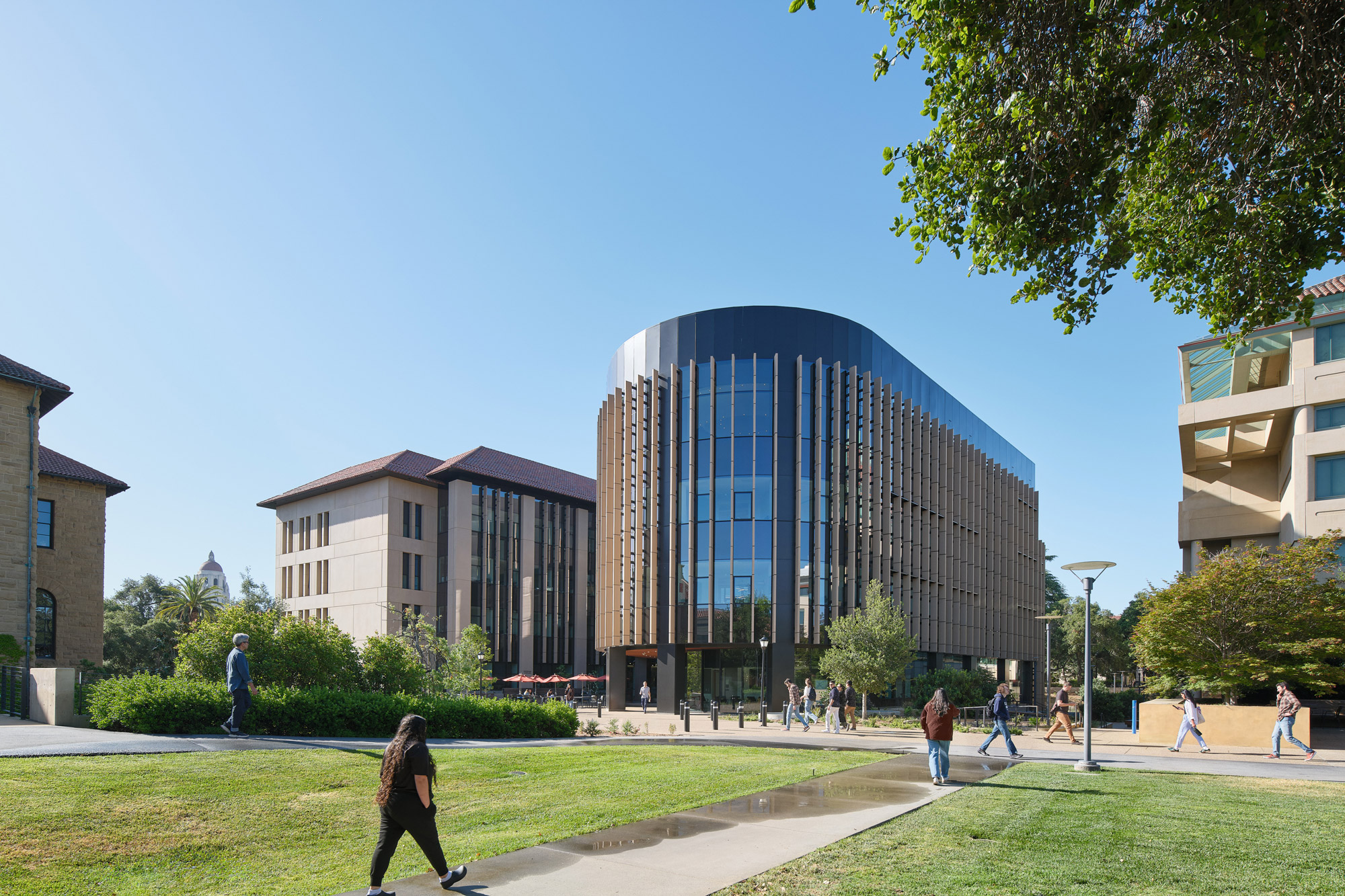
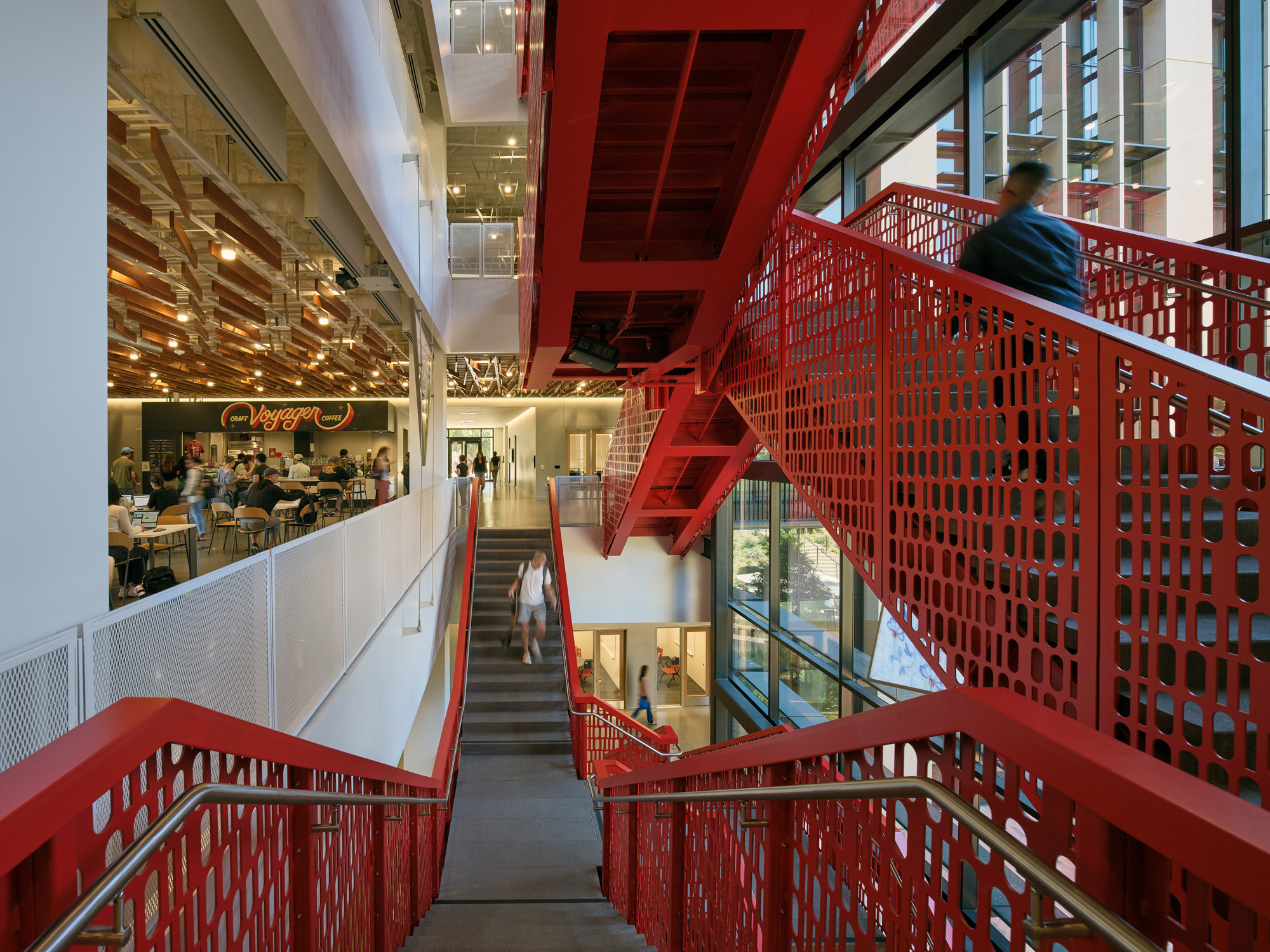

Program:
- Interdisciplinary research neighborhoods organized around a central “hive”
- Specialized labs
- One 250-seat interactive classroom and two 150-seat interactive classrooms
- Research institute suites
- Flexible collaboration spaces and conference rooms
- 200-seat event space
- Café
Morgridge Hall, University of Wisconsin–Madison
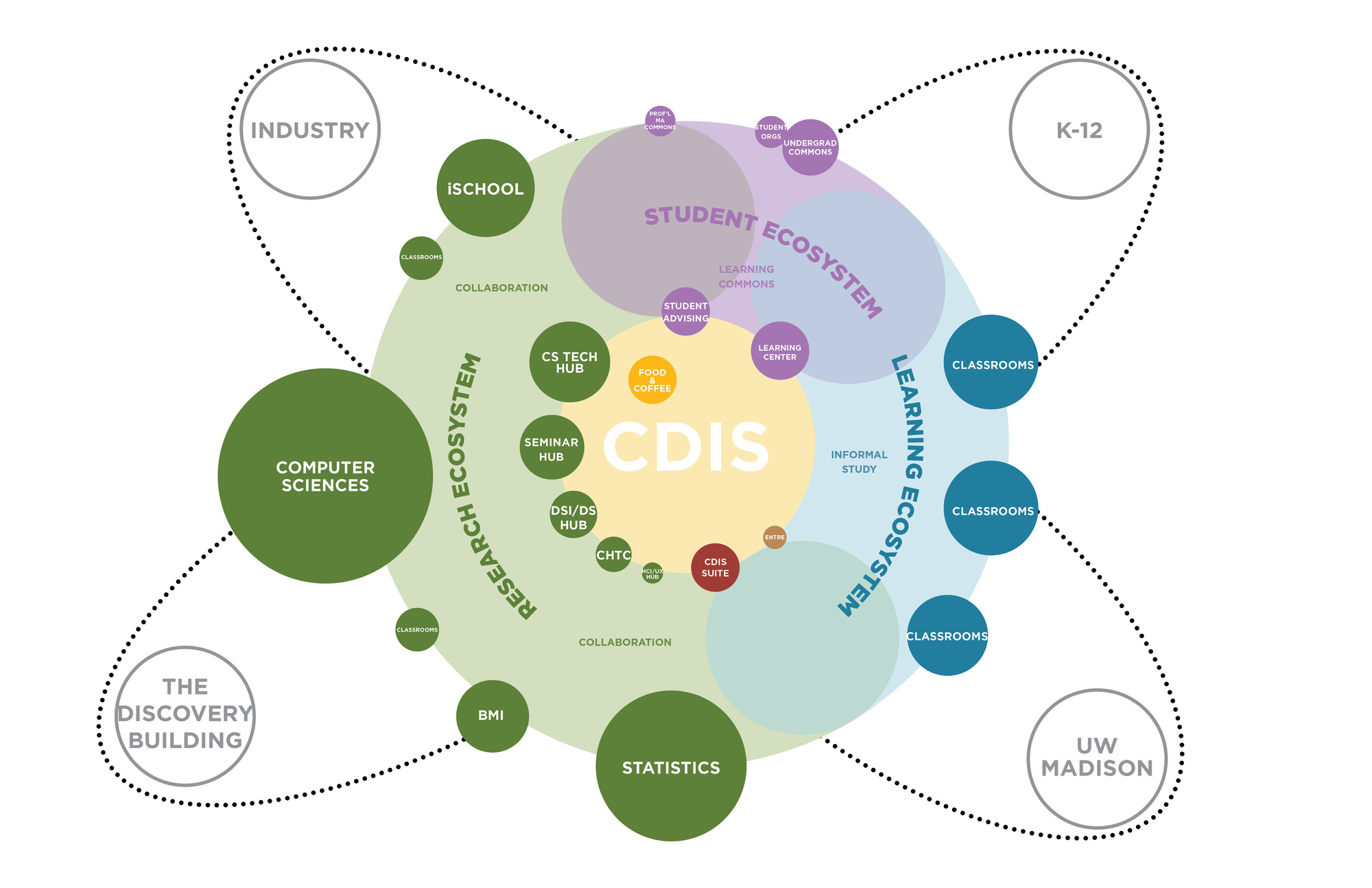
Morgridge Hall embodies the Wisconsin Idea: that the university has a responsibility to serve the entire state through teaching, research, and outreach. As the new home for the School of Computer, Data & Information Sciences, the building is sustainable and community-oriented. Flexible classrooms, research labs, and student spaces connect diverse ecosystems of learning, research, and campus life. Biophilic design, public art, and wellness-focused spaces enhance collaboration, while the pursuit of LEED Platinum certification underscores the university’s commitment to environmental stewardship.
Research labs and student centered spaces are positioned adjacent to a large central space. The intent is to make the research life of the building visible and accessible and to both spark discovery and also to make the research accessible to the broader public.
Site Area: 85,370 SF | Floor Area: 343,000 SF | Height: 138 FT | Floors: 7 above grade, 1 below grade
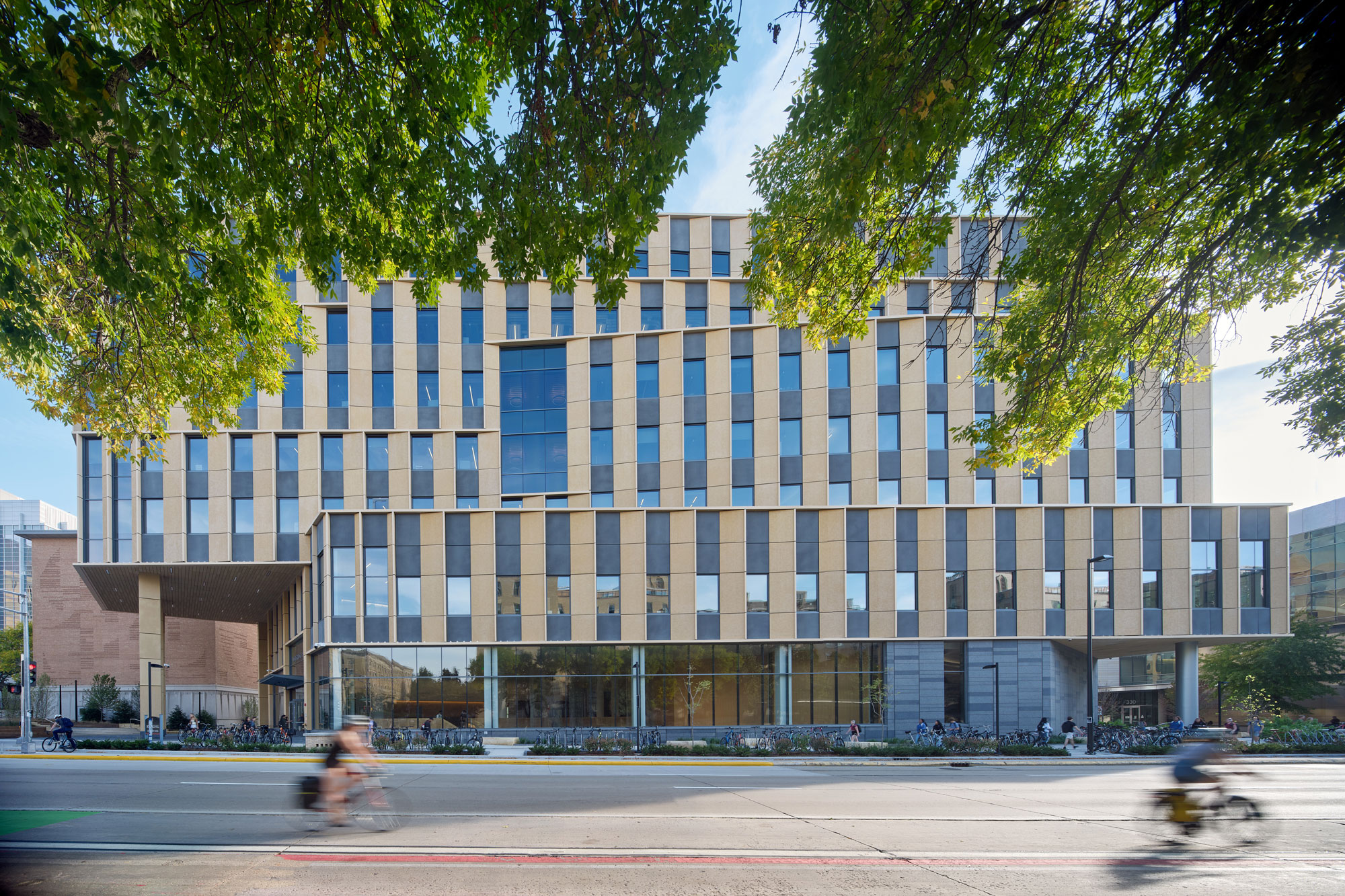
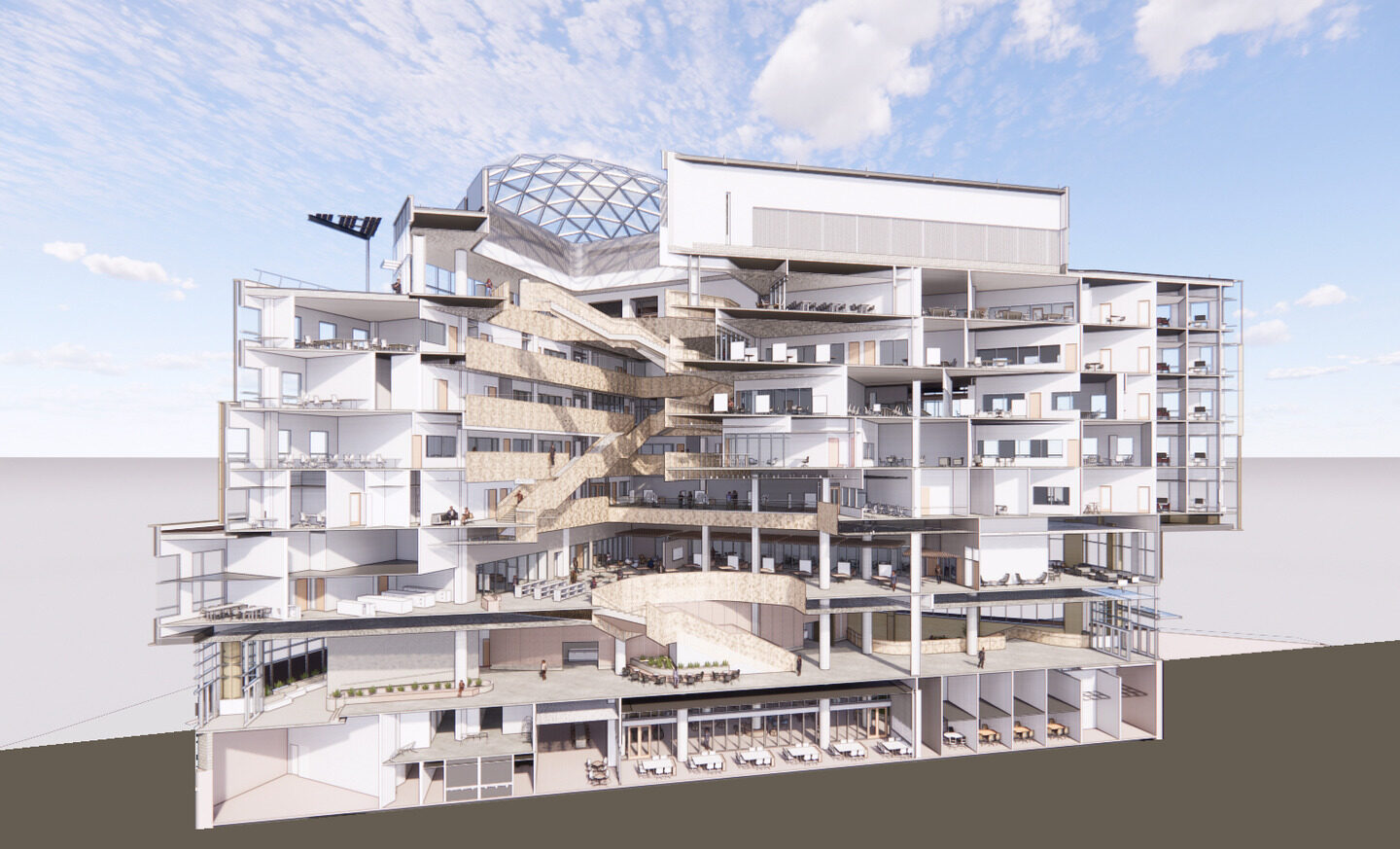
Specialty Spaces:
- CDIS Heart
- “Blank Space”: Tutoring Hub and Commons
- Entrepreneurship Suite
- CS Tech Hub & open robotics/hardware collab space
- HCI/UX Lab
- Visualization Hub
- DSI Hub
- Community Terrace
Computer Design, Research, and Learning Center (CDRLC), University of Illinois Chicago
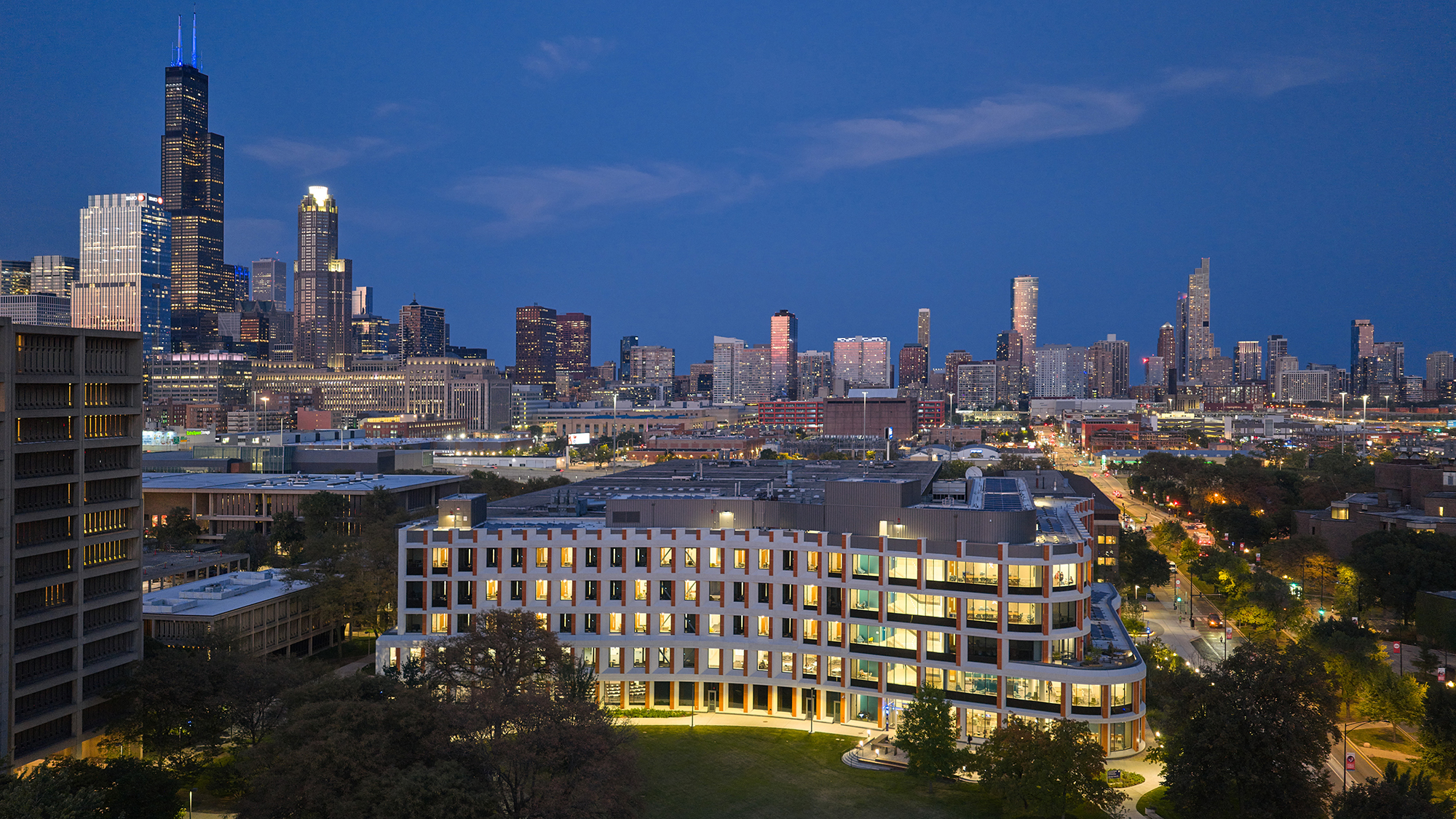
The CDRLC embodies UIC’s mission to provide transformative, accessible education in an urban context. Serving one of the most diverse student bodies in the country, the building is welcoming, warm, and student-centered. Its program supports a full spectrum of academic and research activity, including 15 classrooms, an auditorium, TA and tutoring spaces, undergraduate social spaces, administration and advising suites, research laboratories, a robotics lab, a visualization lab, faculty offices, a café, and a multi-purpose event space. The design integrates seamlessly with the existing campus fabric while opening new connections to Memorial Grove, creating a dialogue between the institution’s past and its forward-looking vision.
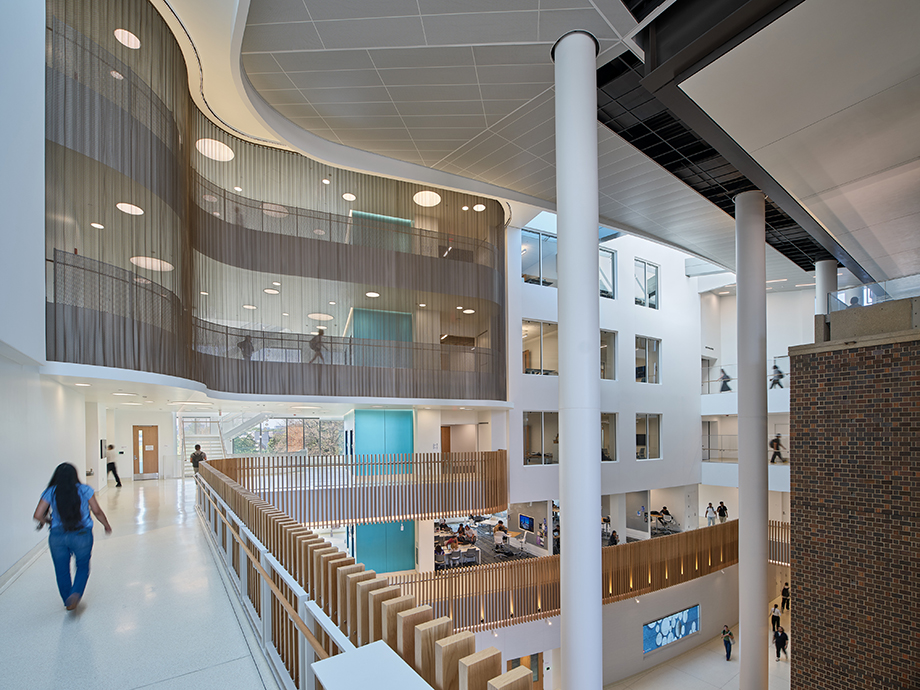
At the heart of the building, a central vertical commons expresses UIC’s commitment to access and opportunity. Open and filled with natural light, the commons connects classrooms, labs, and lounges to create a vibrant, inclusive hub. It offers visibility into the building’s research and education programs, giving students and visitors alike a window into the discoveries taking place within. Designed as both a crossroads and a destination, it invites students from across the university to spend time, linger, and connect, an on-ramp to the shared pursuit of knowledge and innovation.
Site Area: 84,000 SF | Floor Area: 135,000 SF | Height: 87 FT | Floors: 5

Program:
- 15 classrooms
- 1 auditorium
- Research labs, robotics lab, visualization lab
- TA/tutoring and undergraduate social spaces
- Faculty offices and administration
- Café and multi-purpose event space
These three projects demonstrate how LMN creates high-performance environments for computer and data science education, each one tailored to the distinct mission and character of its institution.
After more than 20 years designing for computing and data-driven research, we’ve seen firsthand how these disciplines have evolved, and we’ve helped shape that evolution. We understand what researchers, educators, and students need to thrive, and how thoughtful design can amplify an institution’s goals. Drawing on that experience, we create spaces that are both technically sophisticated and deeply connected to their communities.
Whether supporting elite global research, statewide impact, or urban accessibility, our work is driven by collaboration, curiosity, and a passion for advancing the architecture of innovation, one community at a time.